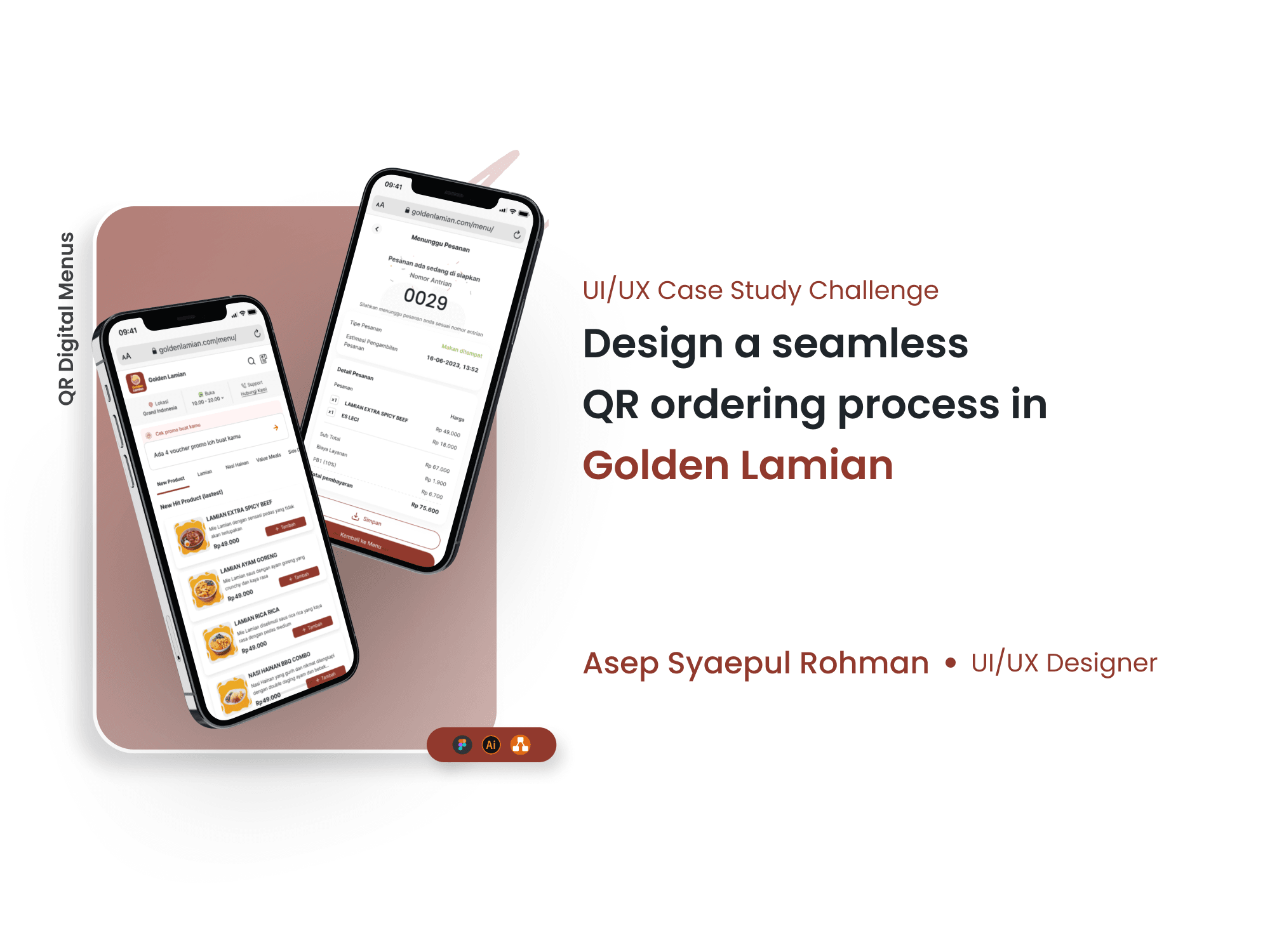
About
Golden Lamian digital menu is a state-of-the-art food ordering app that allows customers to view digital menus, order and pay online without queuing. With a user-friendly interface and advanced features, this digital menu is designed to meet the needs of individuals who want to order food quickly and easily.
The Problem
Golden Lamian is the leader in the lamian category and the fastest growing fast casual noodle chain and best-in-class store economy. As product growth and scale, Golden Lamian wanted to digitize several operational processes, and improve customer experience by having a mobile ordering process via QR code that allows customers to view digital menus, order, and pay online without queuing.
The Goal
Create high fidelity designs and good QR ordering processes for Golden Lamian products, using design and user flow principles to visualize the ordering process with QR.
Design Process
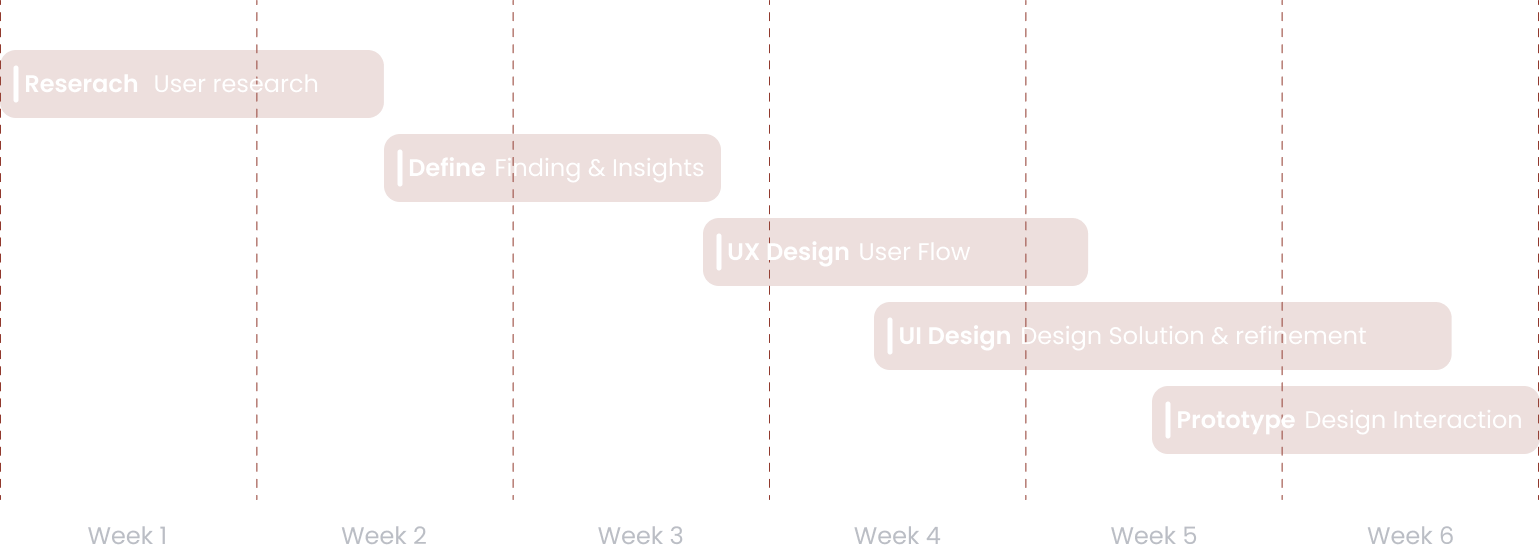
I try to keep working to provide the most optimal user experience & follow this process in every project
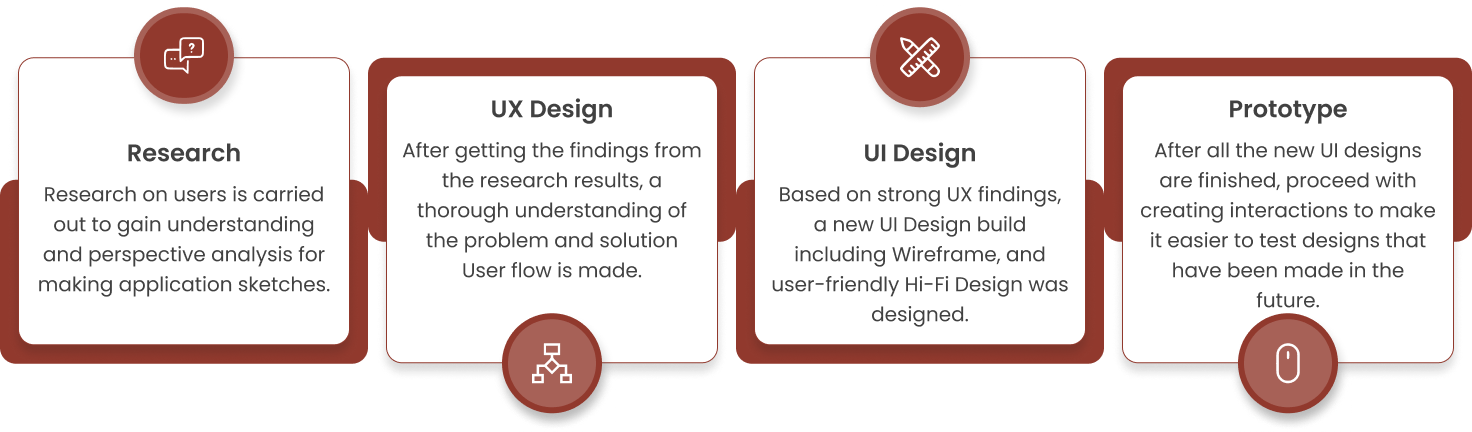
Timeline
Research
User Research
I conducted several user interviews to get key insights and understand their pain points. My research involves interviews with 5 users who have just tried or have ordered food directly on the browser using QR.

Question
❓ Have you ever used digital menu service or QR Menu?
❓ How often do you use the digital menu or QR Menu?
❓ In what restaurant do you usually find orders with QR menus?
❓ What do you like most about using digital menus or QR menus?
❓ What challenges did you experience when using digital menus or QR menus?
❓ What do you expect from digital menus or QR menus in the future?
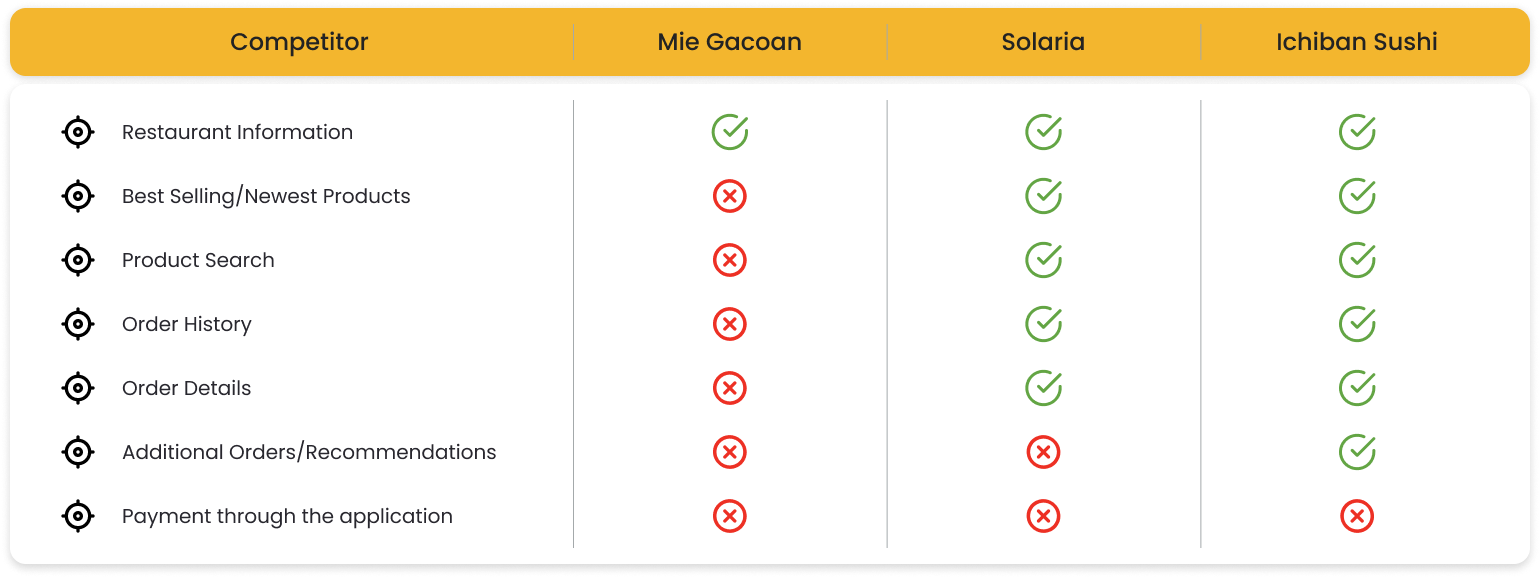
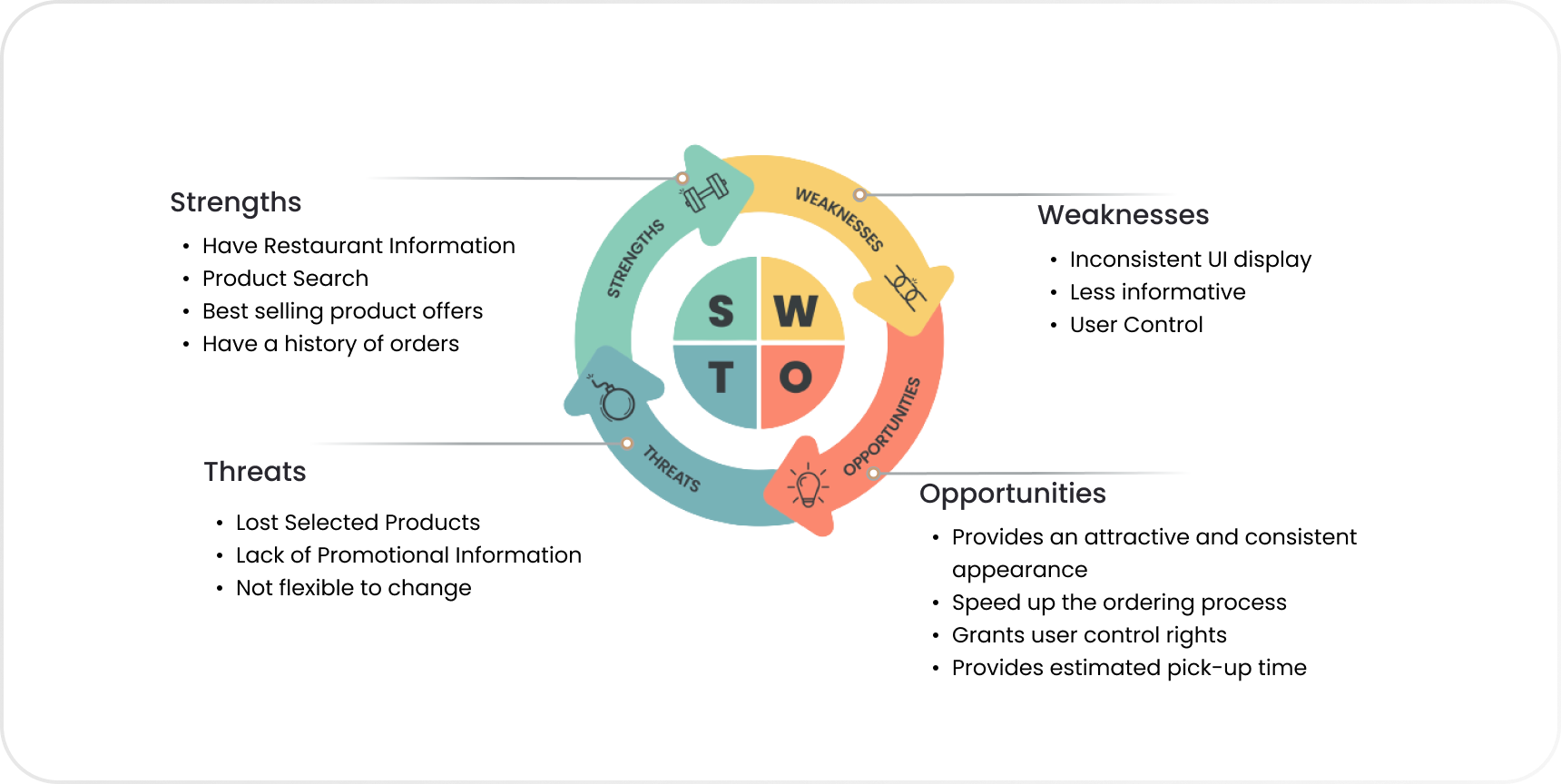
Competitors Analysis
The purpose of competitor analysis is to understand the strengths and weaknesses of competitors with the product we are going to build and to find gaps in the market. Competitor analysis is important because it will help to understand how to improve our own business strategy.
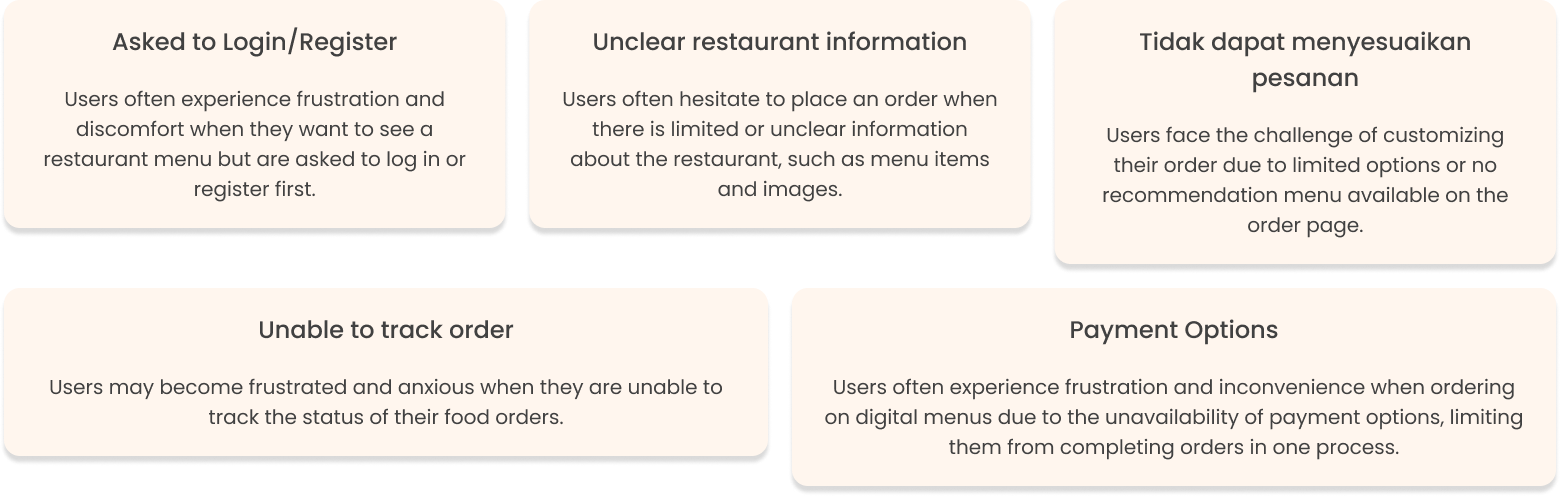
Affinity Mapping
I conducted several user interviews to get key insights and understand their pain points. My research involves interviews with 5 users who have just tried or have ordered food directly on the browser using QR.
Ideation
HMW
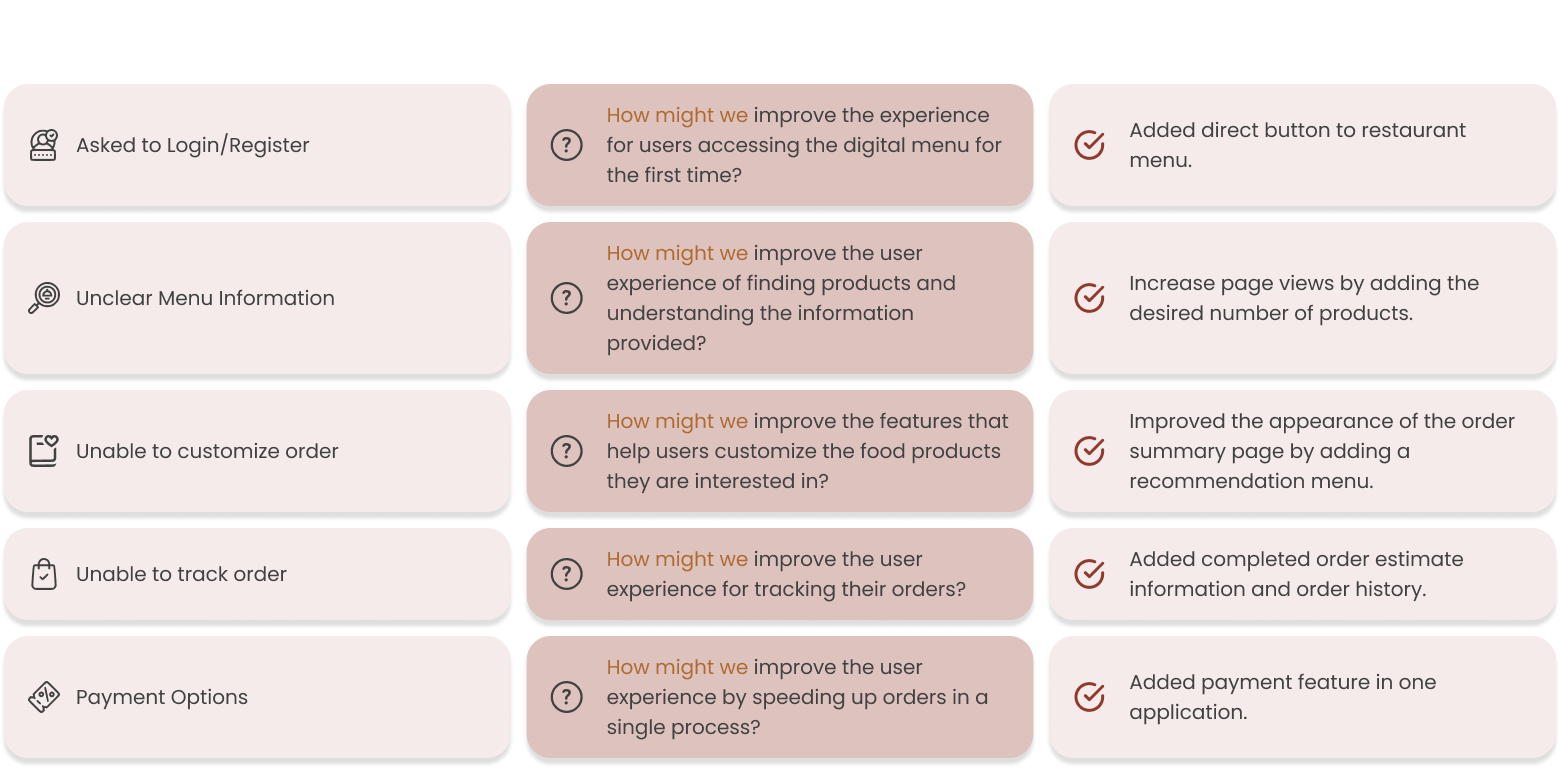
In order to prevent potential biases in my solutions and accurately identify the root problem, we constructed "How Might We" (HMW) questions to help stimulate creative thinking and lead to effective problem-solving.
UX Design
User Flow
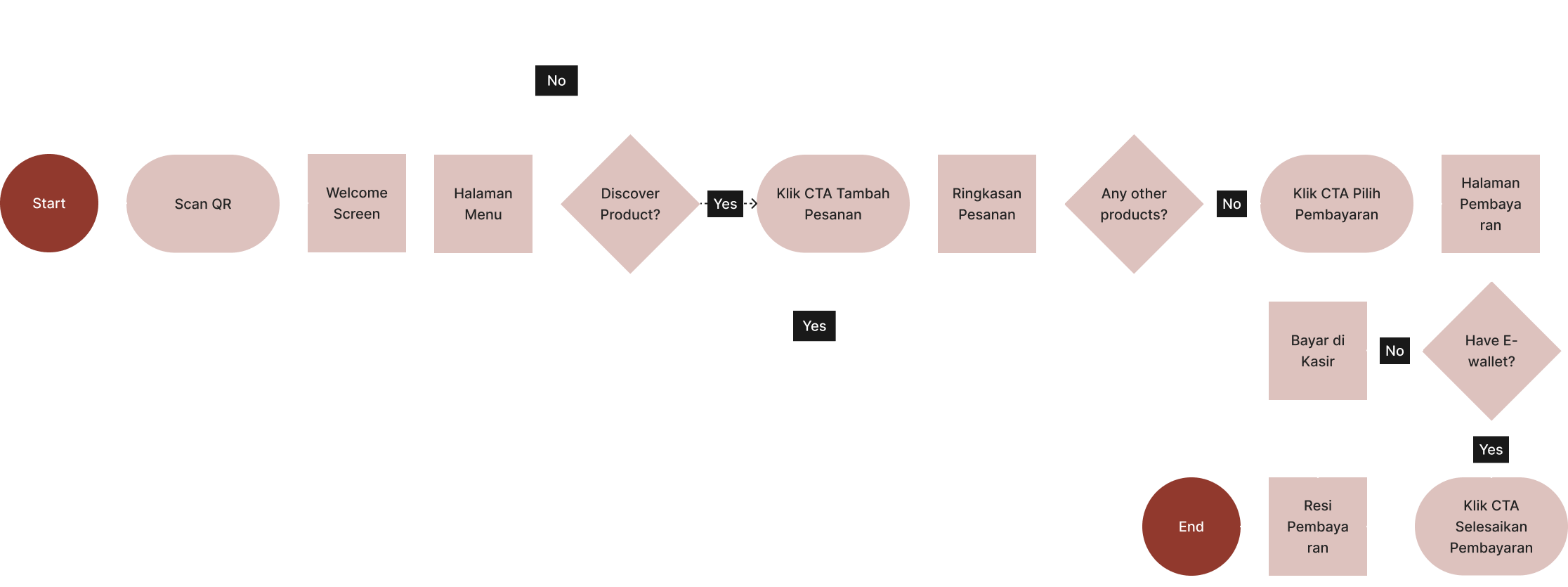
Based on the findings gathered during the research, I developed a user flow to improve the user experience in ordering food and paying.
UI Design
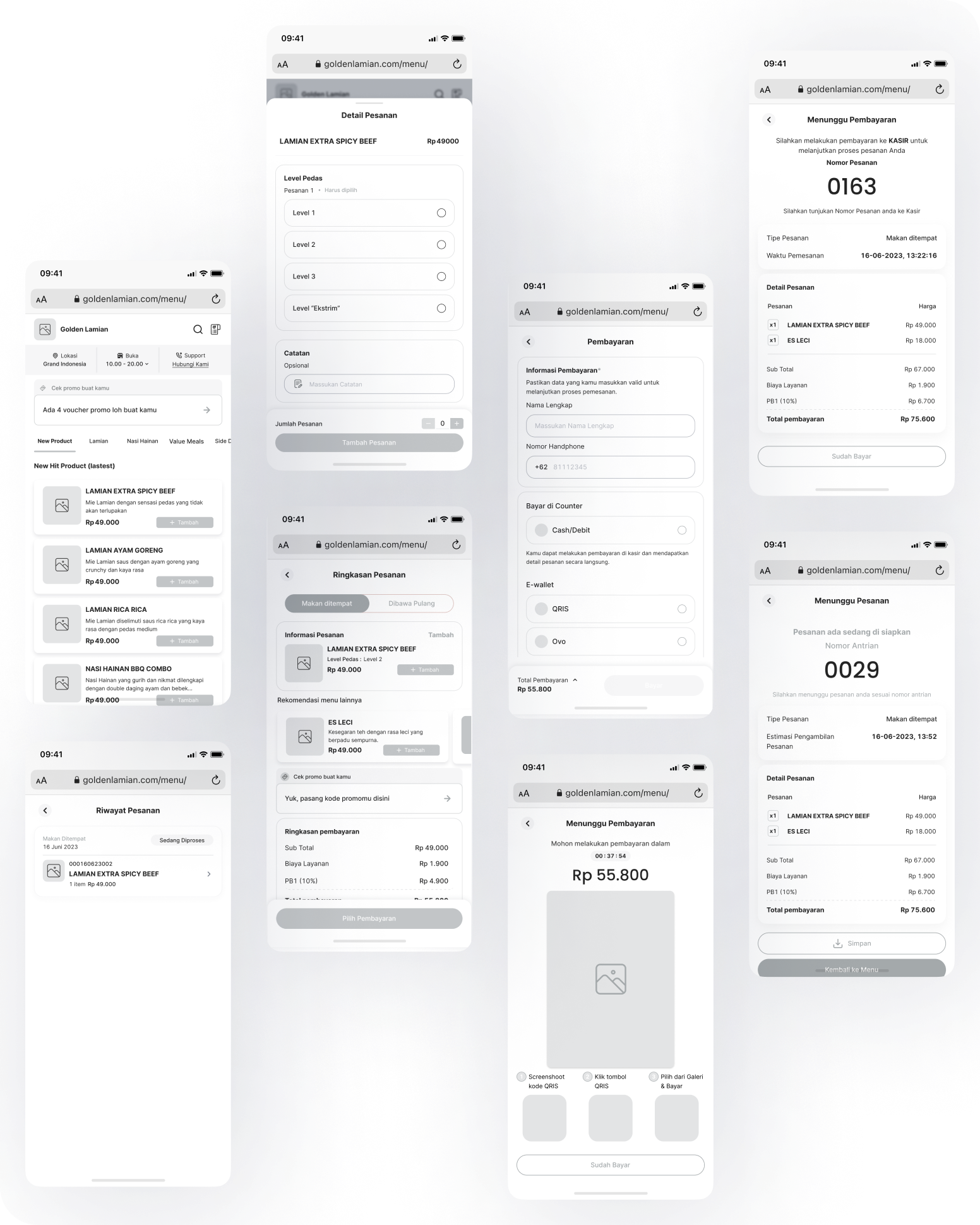
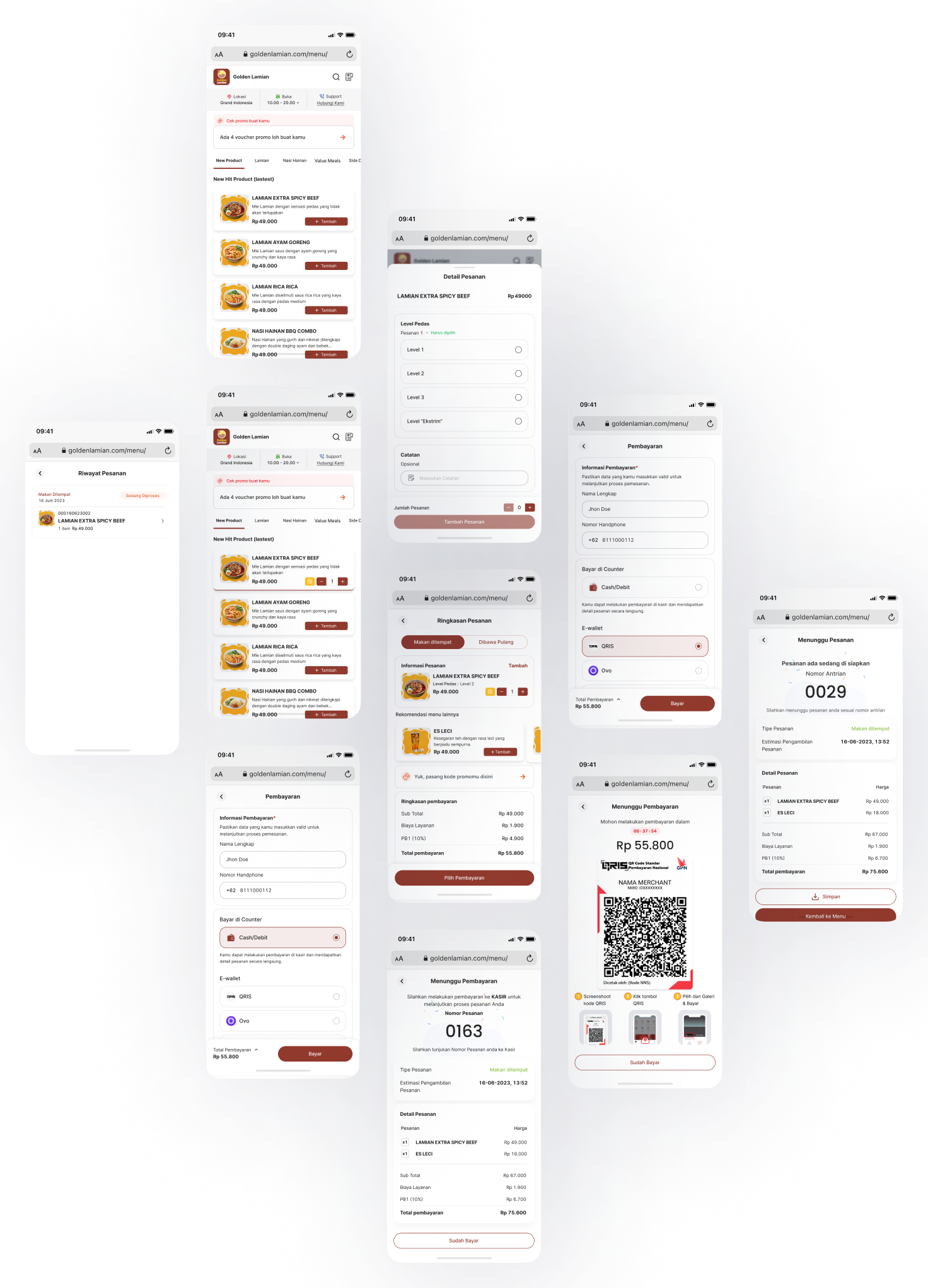
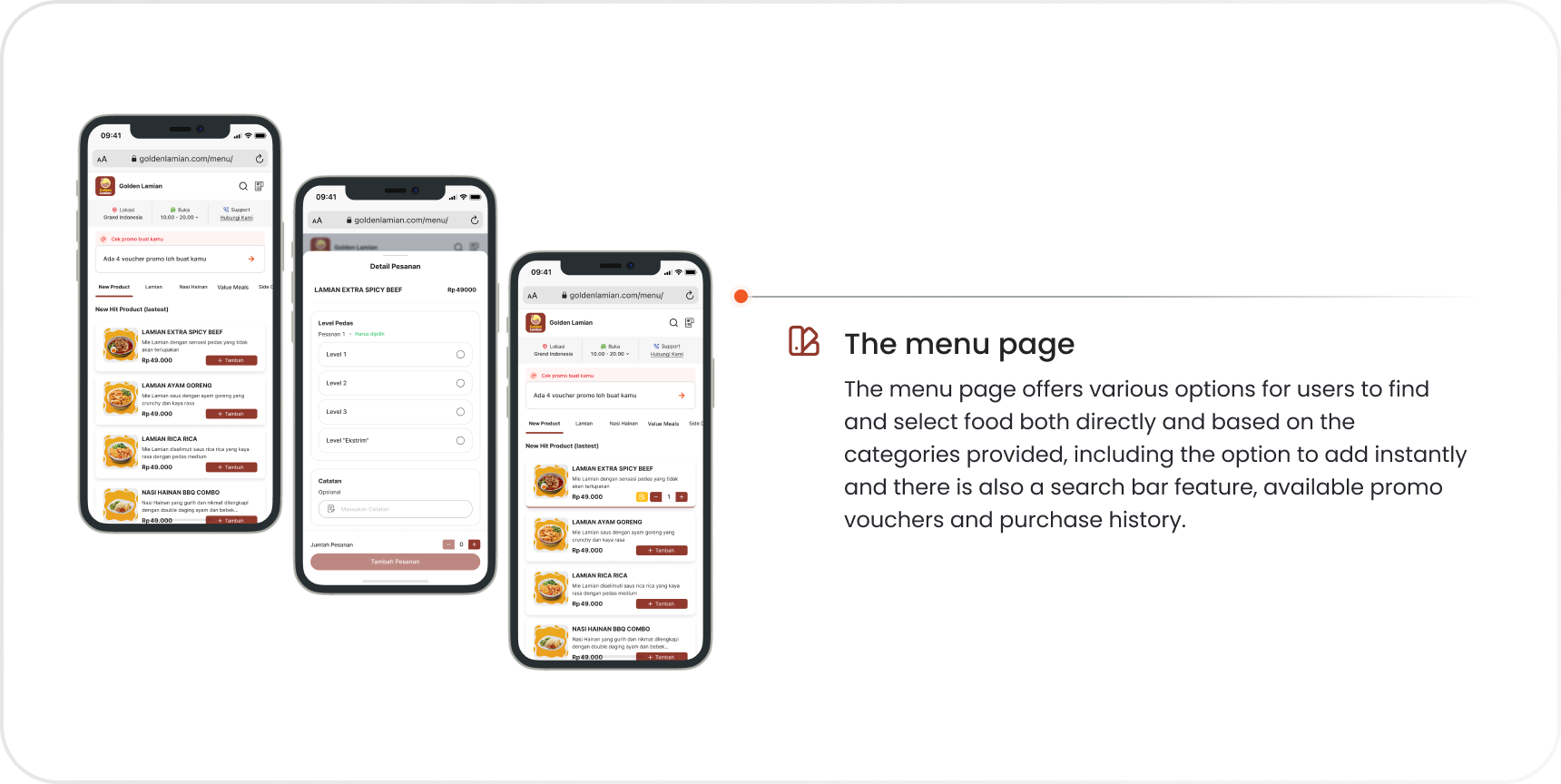
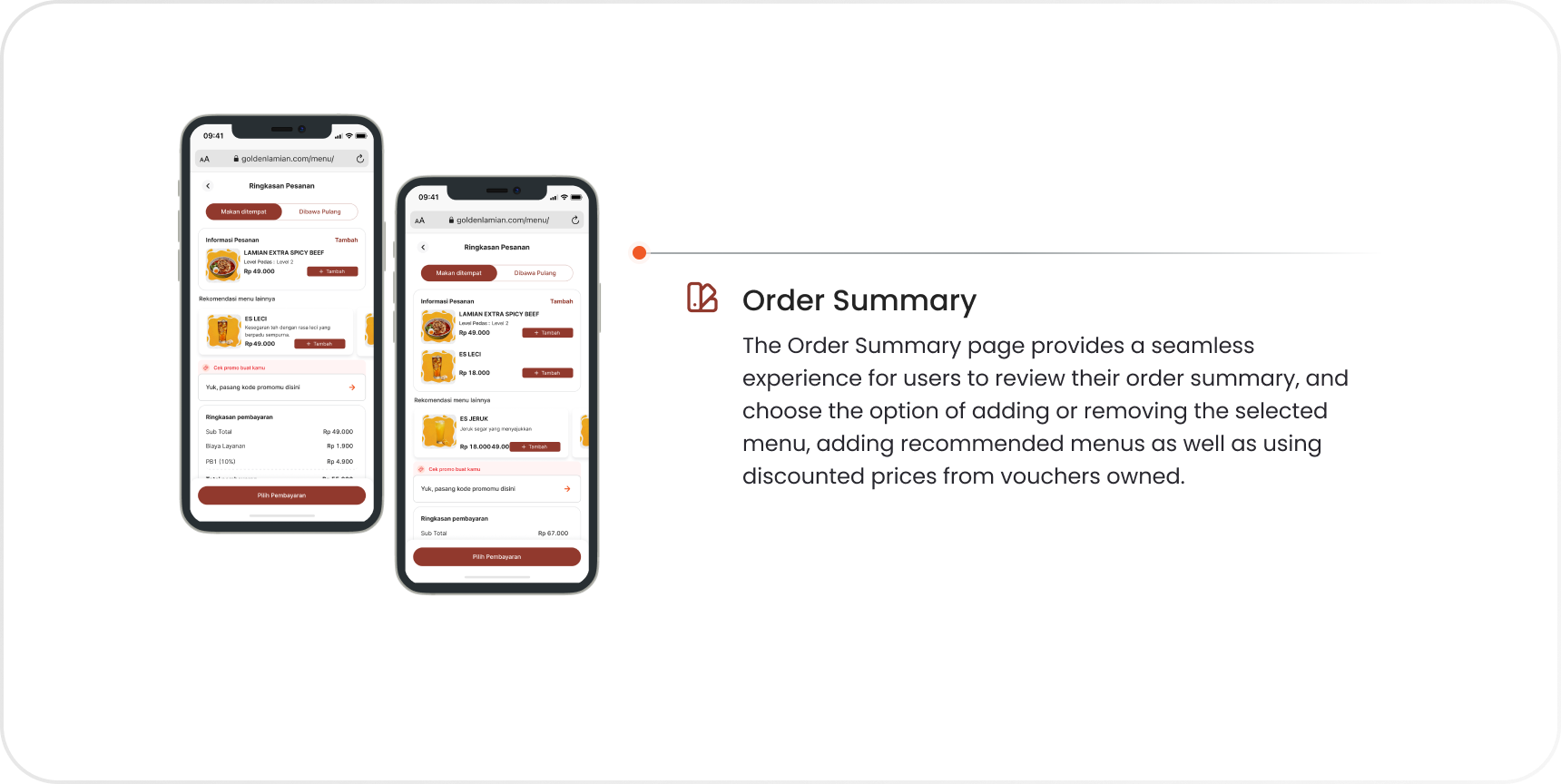
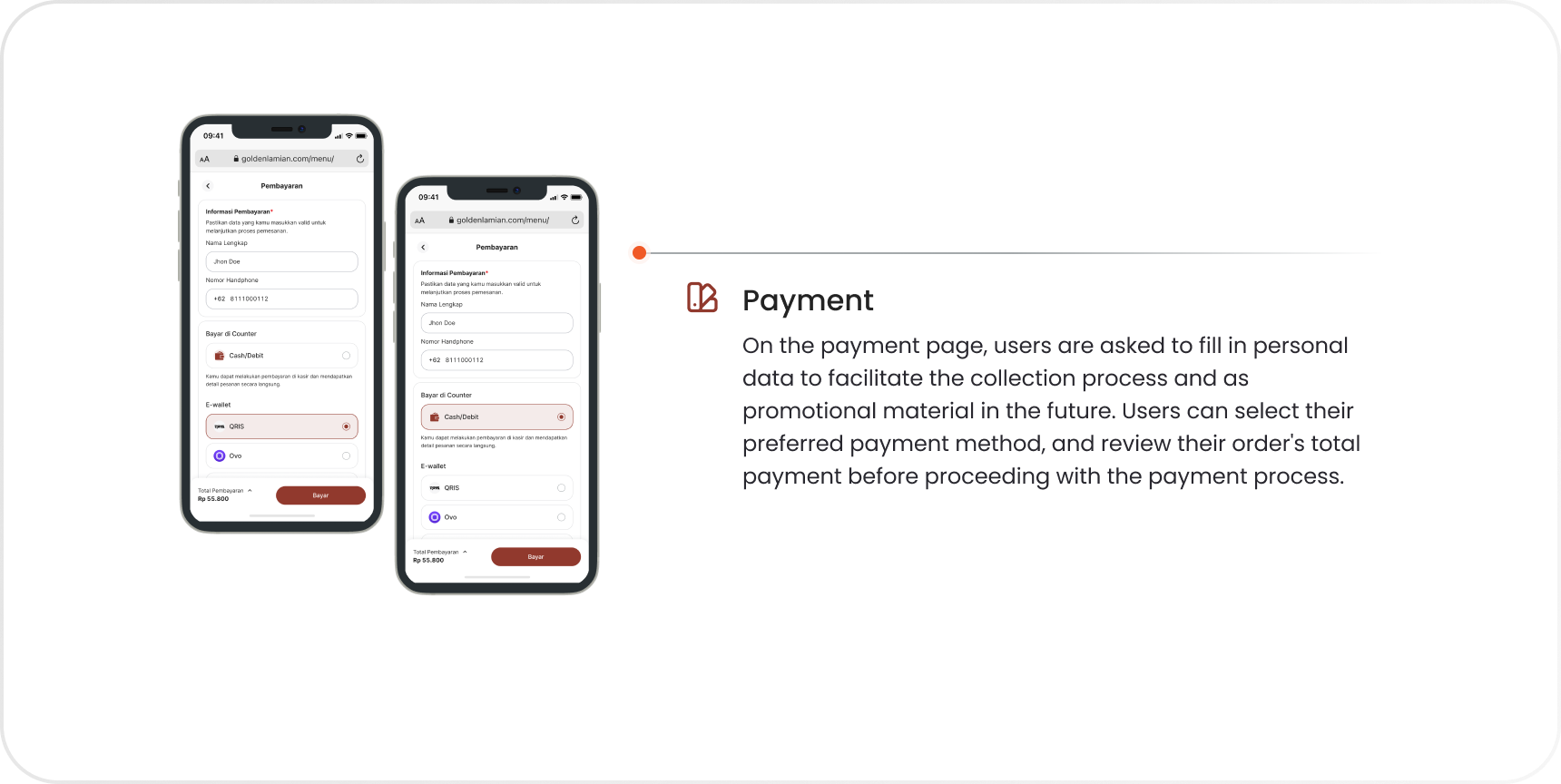
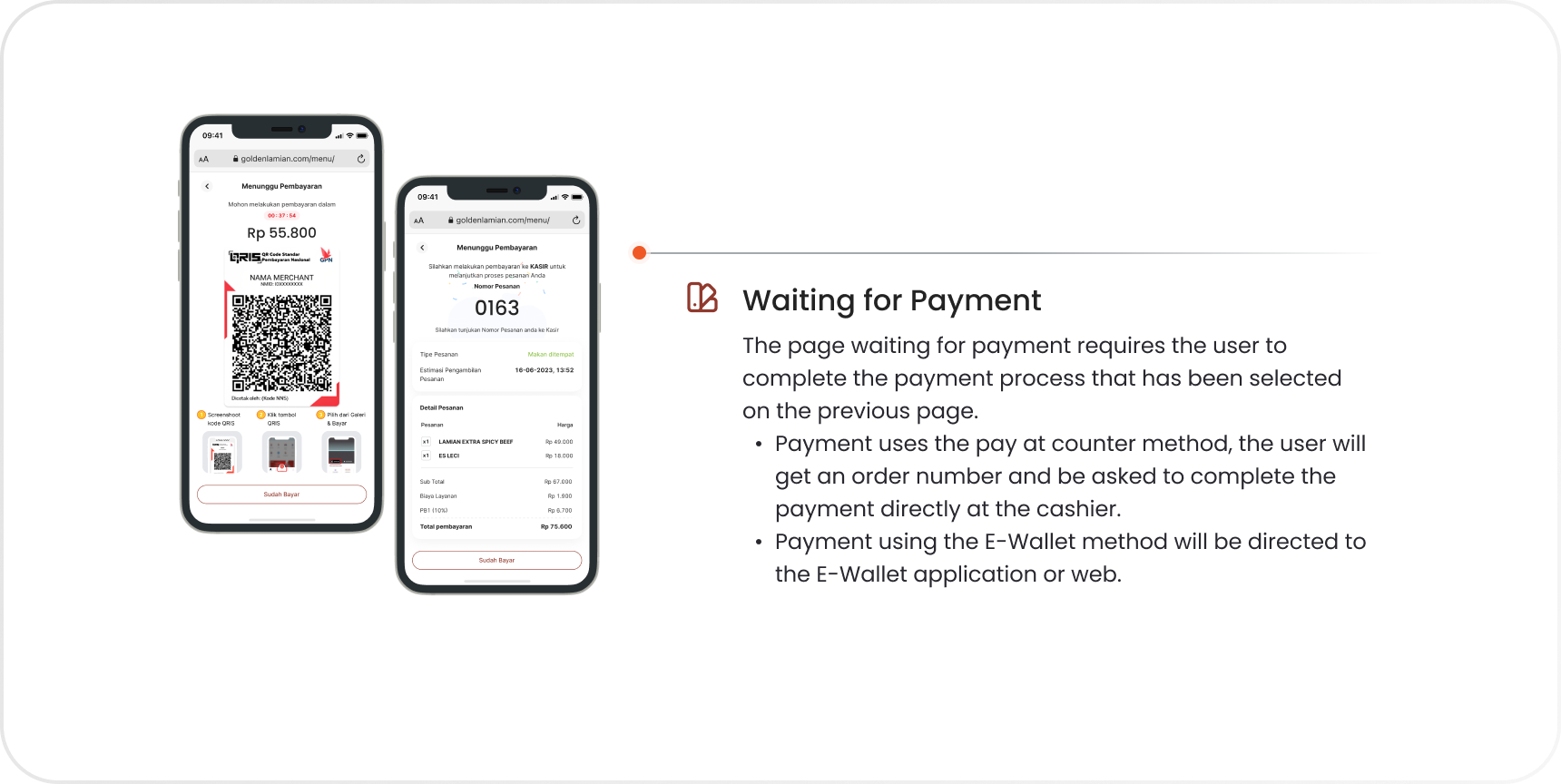
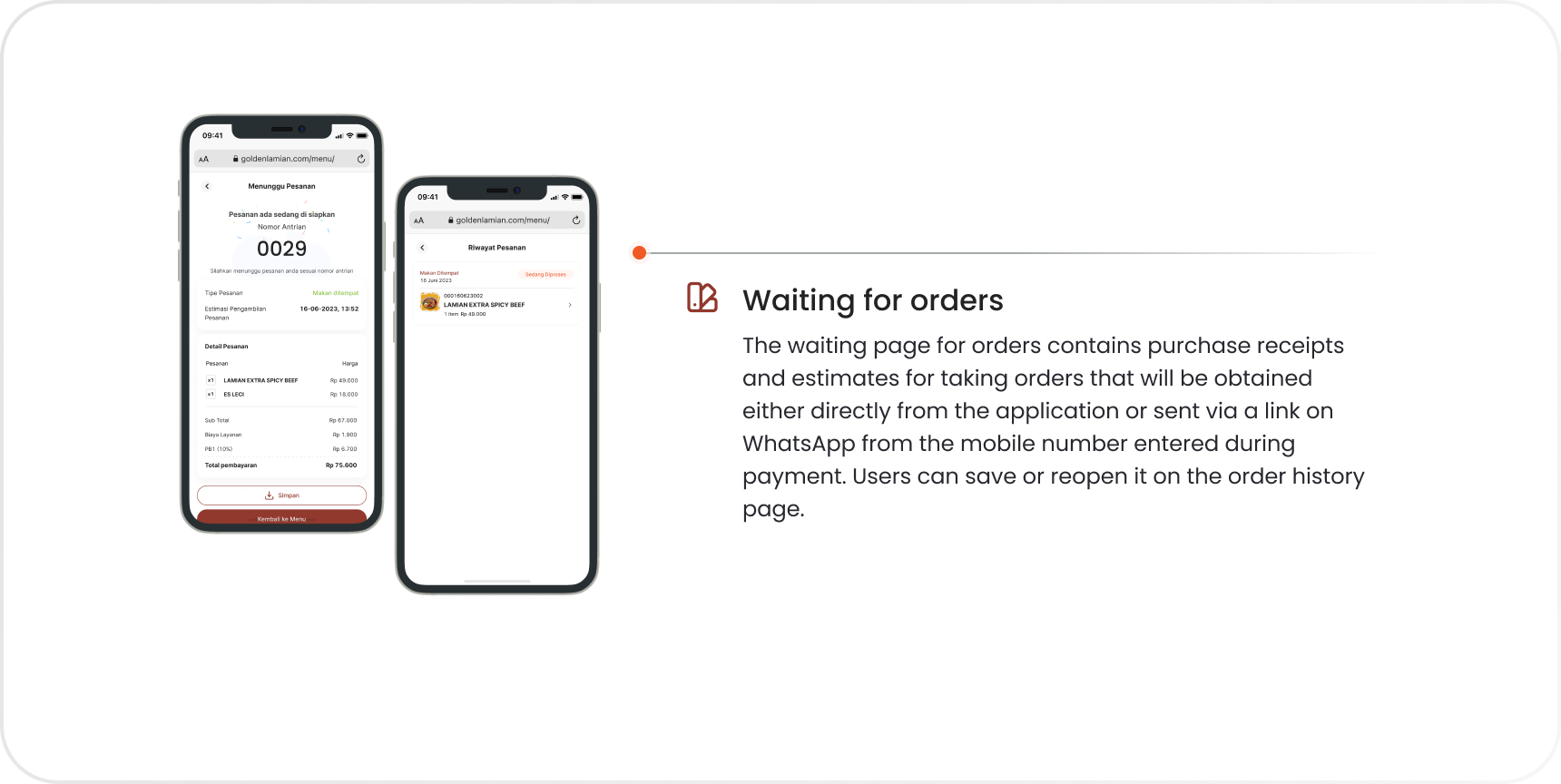
Upon completing the crucial steps of developing the user flow, I progressed to the next stage in the design process. This phase entailed creating high-fidelity wireframes that incorporated more comprehensive details and improved functionality.
Wireframe
Style Guide
HiFi Design
What’s Next? 🚀
When the project is ready to be developed, we must gather feedback from users by conducting usability testing and conducting research to make our project as comfortable as possible.